


Care at Crystal Dental
Tooth Extractions
When a tooth needs to be removed, we explain the procedure, your comfort options, and what to expect during recovery.
A clear plan for removing a tooth.
What is a tooth extraction?
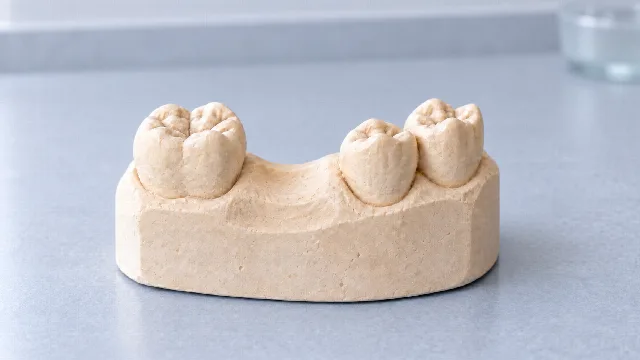
A tooth extraction is the removal of a tooth from its socket, the space that holds its roots in the jaw. It may be recommended when decay, a fracture or gum disease has left a tooth that cannot be reliably saved, to create space as part of orthodontic treatment, or when a tooth causes problems as it comes through. Before recommending removal, your dentist examines the tooth and its support, reviews X-rays when needed and considers whether another treatment could preserve it.
Local anaesthetic numbs the area before the tooth is loosened and removed; more complex teeth may need removal in sections or a small opening in the gum. A blood clot forms in the socket and supports healing, which is why following your aftercare instructions matters. We also discuss whether the space needs a replacement tooth, since this is not necessary after every extraction, such as some orthodontic or wisdom tooth removals.
Planning your care
When removing a tooth is recommended
We assess the tooth, review your medical history, and explain the alternatives and relevant risks. More complex extractions may need a referral to an oral surgeon.
- Severe decay or damage has left a tooth that cannot be repaired.
- Advanced gum disease has affected the support around a tooth.
- A tooth is causing problems because of its position, or needs removal for orthodontic care.
- A wisdom tooth does not have enough room to come through properly and is causing problems.
A closer look
The procedure and what comes next
How your tooth will be removed
The approach depends on the tooth’s position, the shape of its roots, and how much tooth structure remains. Your dentist explains what is involved and whether your care would benefit from a specialist referral.
Planning for the space
A bridge, dental implant, or partial denture may be an option for a missing tooth. Replacement is not needed after every extraction, such as some orthodontic or wisdom tooth removals. We discuss which options may suit you and the timing of further care.
What to expect
What to expect, step by step.
01
Prepare for the procedure
Your dentist examines the tooth and reviews X-rays when needed. We discuss your health and medications, explain the planned removal, and answer questions about recovery. If you are anxious about the procedure, sedation may be an option. We can discuss whether it is suitable and whether a referral is needed.
02
Numb and remove the tooth
Local anaesthetic numbs the area before the procedure starts to help keep you comfortable during treatment. Your dentist then loosens and removes the tooth. More complex teeth may need a surgical approach, which can involve opening the gum or removing the tooth in sections.
03
Start your recovery
We explain how to protect the socket, manage discomfort, and eat and clean your teeth while the area heals. You receive aftercare instructions and guidance on any stitches or follow-up appointments.
The Crystal Dental approach
Why choose Crystal Dental for tooth extractions?
Understand the recommendation
We explain why extraction is being considered and discuss reasonable ways to preserve the tooth when they are available.
Support during your visit
Tell us if you feel pain or need a pause. We want you to understand each stage and feel able to ask questions.
Practical recovery advice
Know how to care for the area at home, what changes to expect, and when to contact our team.
Your care team
Four doctors. One family approach.

Dr. Bogdan Stanisavljevic
B.Sc., DMD

Dr. Goran Stanisavljevic
DMD, M.Sc., PhD · Co-founder

Dr. Dragana Stanisavljevic
DMD · Co-founder

Dr. Nicole Stanisavljevic
B.Sc. (Honours), DMD
FAQs
Tooth Extractions: your questions.
Have another question? Contact our team and we will be happy to help.
Does every damaged tooth need to be removed?
No. A filling, crown, or root canal may be suitable, depending on the damage and the tooth’s support. Your dentist will explain whether the tooth can be restored before recommending removal.
Will I feel the extraction?
Local anaesthetic numbs the area so that you are comfortable during the procedure, although pressure and pushing sensations are normal. Tell your dentist if you feel pain so they can check your comfort before continuing.
How long does recovery take?
Depending on the nature of the procedure, soreness and swelling can be more pronounced over the first few days, especially after a more involved extraction (such as wisdom tooth removal). Some discomfort and swelling may take one to two weeks to settle, but should gradually improve. Recovery varies with the procedure, your health, and individual factors such as age. We explain what to expect and when to return to your usual activities.
What can I eat afterwards?
Our team will explain your aftercare instructions to help your recovery go as smoothly as possible. Generally, choose soft foods that are easy to chew, avoid chewing on the extraction site, and avoid very hot food and drinks while the area is numb. Follow your instructions about eating, rinsing, and cleaning around the socket.
How can I reduce the risk of dry socket?
A blood clot protects the socket as it heals. Avoid smoking, drinking through a straw, and vigorous rinsing after the procedure, as directed. If the clot is lost too early or does not form properly, dry socket can develop, causing prolonged discomfort and delayed healing. Contact your dentist if you have severe or worsening pain.
When should I call after an extraction?
Contact us promptly for bleeding that does not settle with the advised pressure, severe or worsening pain, increasing swelling, fever, or feeling unwell. Difficulty breathing or swallowing needs emergency medical attention.
How do I book, and can I ask about costs first?
Choose Burnaby or Langley on our Contact page and call, email, or text the office to arrange a visit. Our reception team will confirm your appointment. Ask about estimates and bring your current benefit information; see our insurance and payment page for more details.
Further reading: ADA MouthHealthy — Extractions · ADA MouthHealthy — Dry Socket · Canadian Dental Association — Care after Minor Oral Surgery · NHS — Wisdom Tooth Removal · NHS — Dental Abscess · Canadian Dental Association — Bridges
Your next visit
Let’s make time for your smile.
Choose the office that works for you. Our reception team will help arrange your appointment.